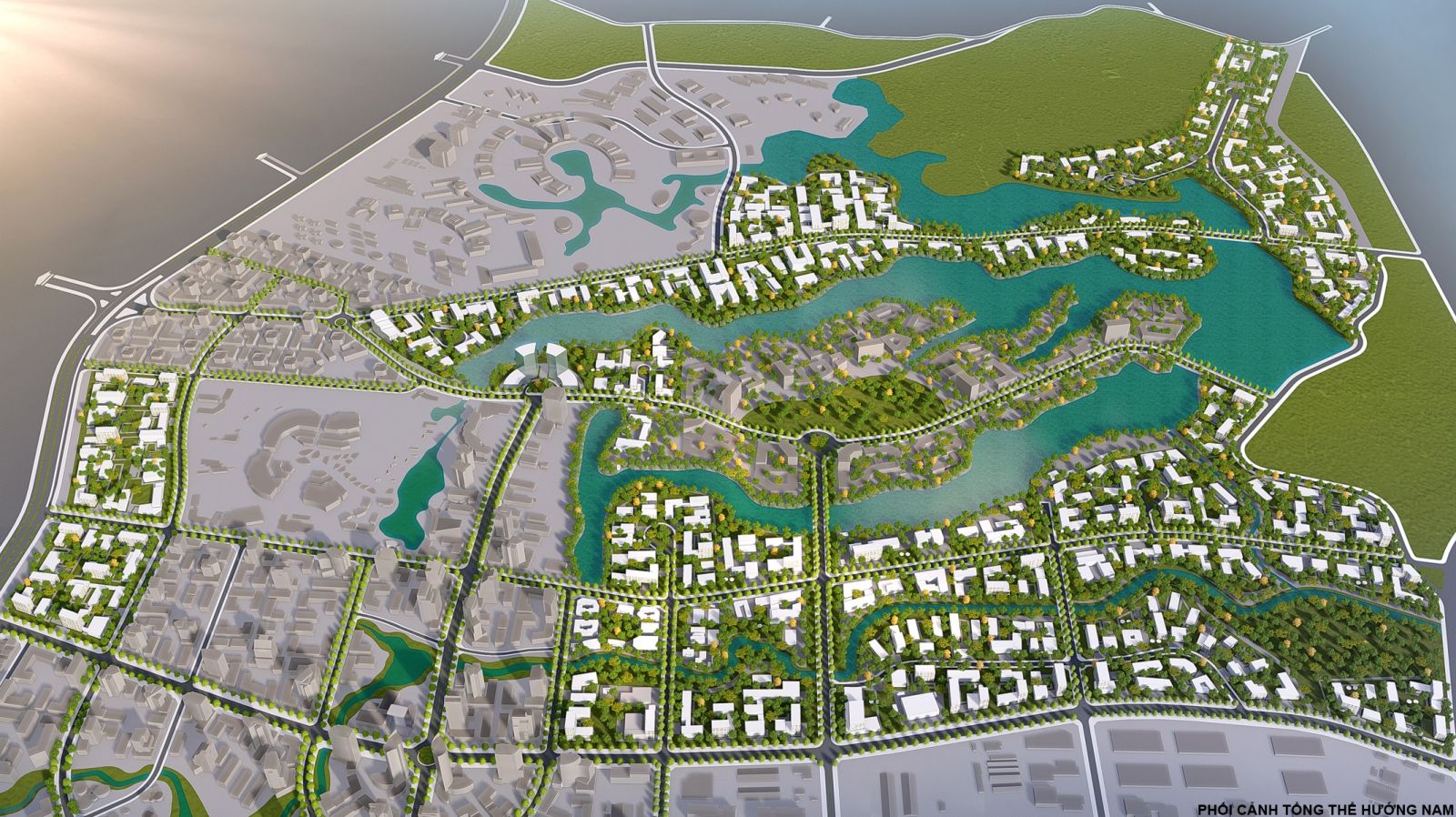
Nature and Function:
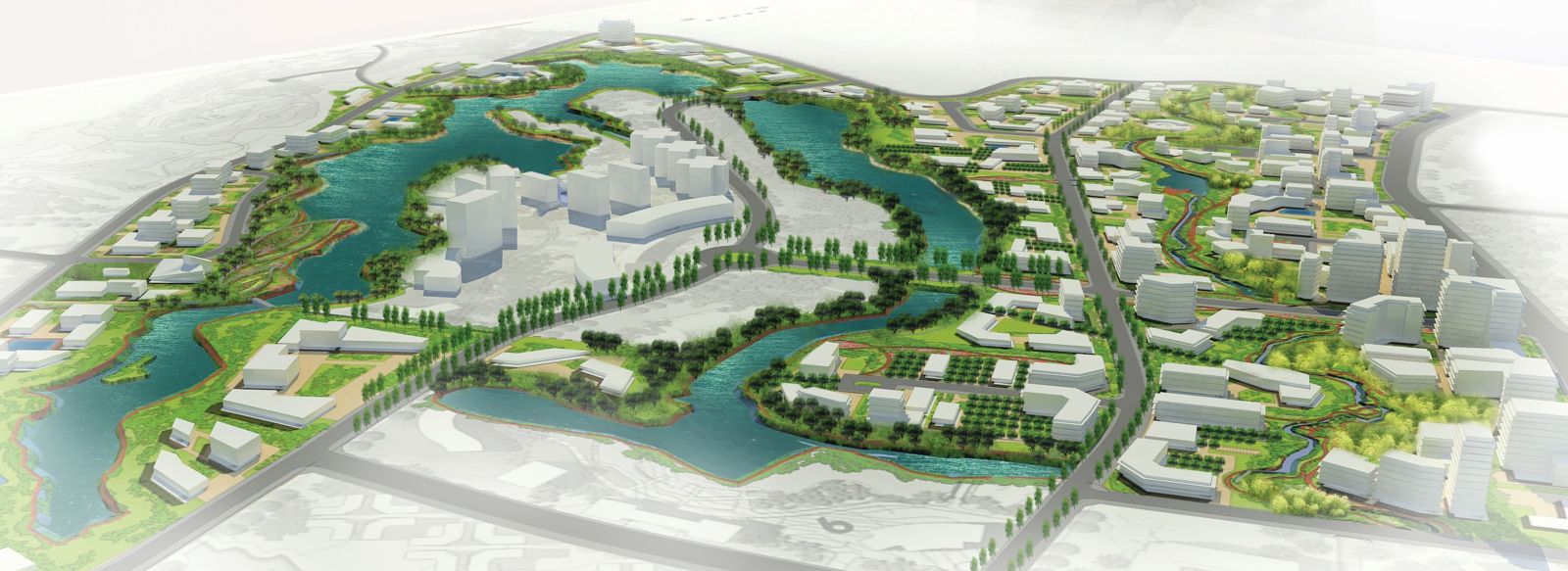
The R&D Zone serves as a hub for research and development institutions, R&D support facilities, and the application of high technologies. It is also designed to attract and train experts in high-tech industries, as well as highly qualified professionals engaged in research and application activities.
The R&D Zone is envisioned as a bridge between scientific research and practical implementation — a place where innovations and breakthroughs are nurtured.
General Information
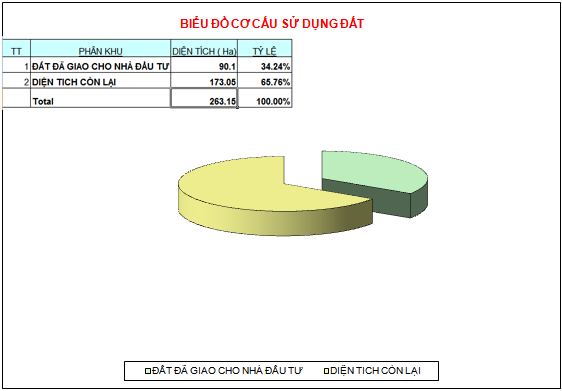
Site Area: 263.15 hectares
Priority Investment Sectors: Research and technology development centers/facilities in the following sectors:
Biotechnology
Information Technology
New Materials Technology
Automation Technology
Planning and Construction Information:
Planning indicators: Building density: 30–35%; Green space ratio: ≥20%; Floor Area Ratio (FAR): 1–2.1 times (Lots RD2.1 and RD2.2: 1–1.7 times); Main building height: 3–7 floors (Lots RD2.1 and RD2.2: 3–5 floors); Applicable road setbacks: internal roads only.
Building setback requirements:
Adjacent boundaries: ≥4m;
Adjacent to Dua Gai Stream and internal roads: ≥7m.
Spatial, architectural, and landscape requirements:
Within setback areas, supporting amenities such as fences, gates, entrances, parking spaces (roofed parking permitted without enclosed walls), landscaping, lawns, decorative features, and lightweight canopy structures are allowed.
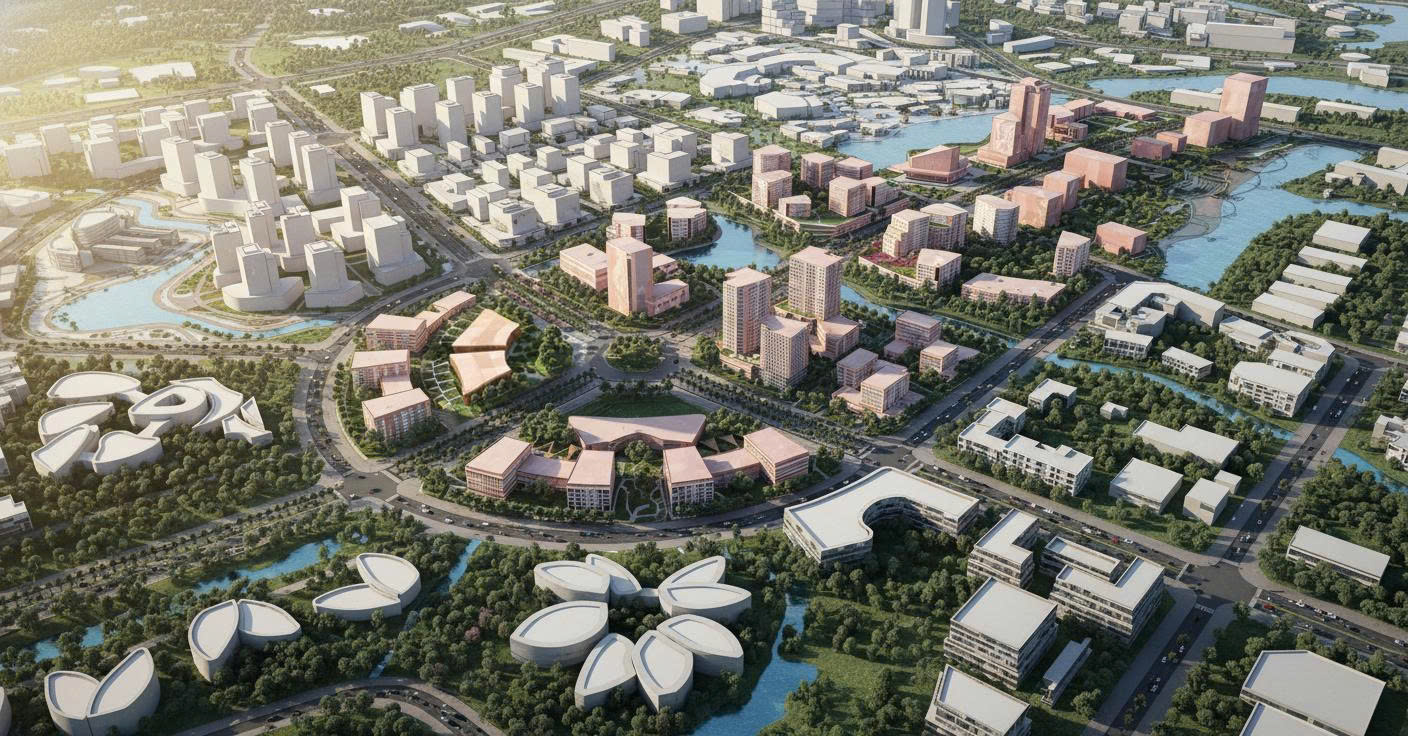
Architectural style and structure: Modern, sustainable, and green-oriented architecture that is durable and appropriate for each building’s function and surrounding landscape. Building designs and colors must maintain high aesthetic standards, harmonize with the natural environment, and maximize the use of water features and natural topography. Integrated building complexes that blend with the natural landscape are encouraged.
Building colors and exterior materials: Materials with high reflectivity that may negatively impact traffic safety or neighboring developments are prohibited. Bold colors may be used for signage, directional signs, and canopies. The use of hot colors (yellow, orange, red, etc.), dark tones (black, dark brown, etc.), and highly contrasting materials as dominant exterior finishes is restricted. Temporary materials such as bamboo, reeds, or leaves are not permitted unless approved by the Management Board of Hanoi High-Tech Parks and Industrial Parks.
Landscaping and supporting facilities: Land surrounding buildings must include aesthetically designed landscaping through natural planting or planter systems. Developers must maximize green spaces, water features, and natural topography. Minimum green space ratio: 20%. Trees must have a minimum trunk diameter of 10cm (measured at 1.3m above ground level).
Parking and fencing: Developers are encouraged to build parking facilities in basements, semi-basements, ground floors, or eco-friendly parking areas. Green fencing solutions such as hedges and landscaped barriers are encouraged, while permanent solid fencing is discouraged.
Location
Key Advantages
1
1
1. Strategic Position & Role of Hoa Lac Hi-Tech Park
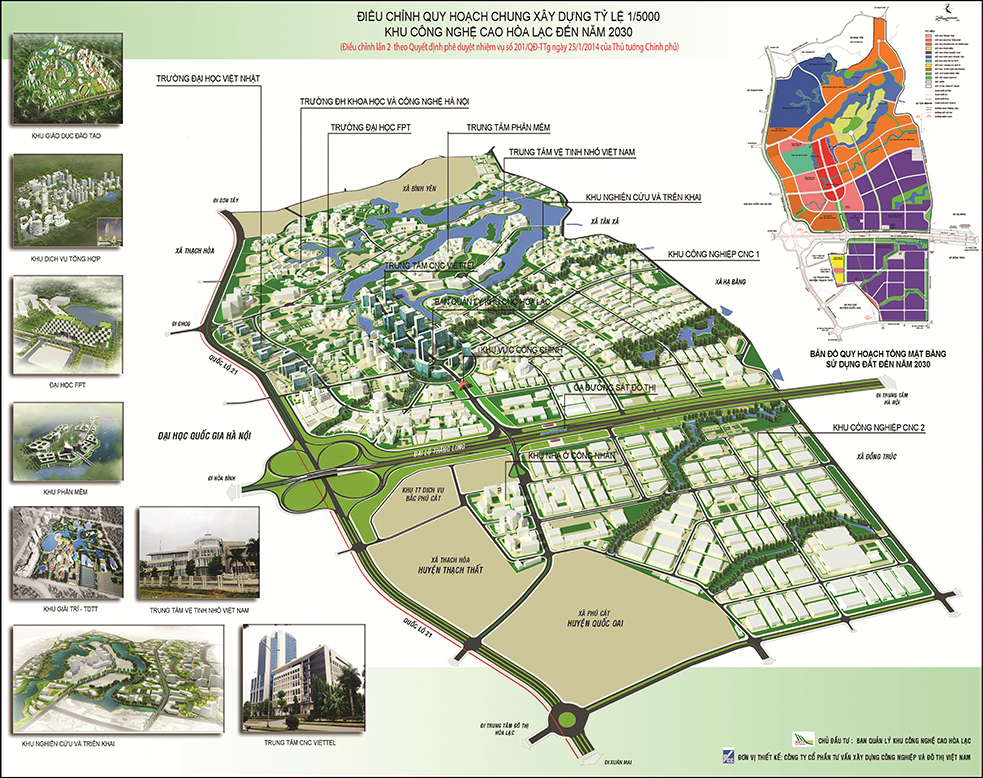
General Overview: Hoa Lac Hi-Tech Park is Vietnam’s first and largest high-tech park, established by the Government in 1998. It was originally managed by the Ministry of Science and Technology and transferred to the Hanoi People’s Committee in late 2023. In addition to being a national high-tech hub, it also benefits from Hanoi’s special incentives under the Capital Law and other local regulations. With a master-planned area of 1,586 hectares, the park includes multiple functional zones such as: Software Zone, R&D Zone, Education & Training Zone, High-Tech Industrial Zone, Central Zone, Mixed-Use Zone, Residential Zone, and Recreation & Sports Zone.
Vision and Mission: Hoa Lac Hi-Tech Park is expected to become a model miniature economy of Vietnam in the future — an intelligent ecological science and technology city. It aims to attract sustainable investment in research and development, startup incubation, innovation, technology transfer, and high-tech manufacturing across four key sectors: Biotechnology, Information Technology, New Materials Technology, and Automation Technology. It also aims to attract high-quality talent and international experts to live, work, and innovate while strengthening Vietnam’s internal scientific capabilities and creating a destination for nationally branded inventions and innovations. It serves as a hub connecting education, research, and manufacturing while facilitating trade connections between Vietnam and the global market.
Prime location, approximately 37 km from central Hanoi, offering convenient access to airports, seaports, and surrounding provinces. The park’s internal infrastructure system has been largely completed and is ready for operation.
Direct connection to central Hanoi via Thang Long Boulevard (6-lane high-speed road).
An elevated railway connecting Hoa Lac Hi-Tech Park to central Hanoi is currently under development.
Approximately 1 hour to Noi Bai International Airport.
Convenient access to Hai Phong Port and Cai Lan Port within approximately 1.5–2 hours.
Close proximity to major industrial parks across Northern Vietnam within a 100 km radius, facilitating connections between research, manufacturing, and trade activities.
The future completion of Ring Road 4 is expected to significantly reduce travel time by separating interprovincial traffic from urban traffic.
3
3
3. Special Incentives under the Capital Law
Investment Principles, Criteria, and Conditions:
General regulations: Projects must comply with the principles and criteria for R&D investment projects under Article 28 and Article 29 of Decree No. 10/2024/ND-CP dated February 1, 2024, and other relevant legal regulations.
Specific requirements: Investment capital requirements, financial capability criteria, investor experience in the proposed sector, environmental commitments, and resource/energy efficiency measures.
Investment Incentives:
Corporate income tax incentives: Applicable under Clause 1, Article 13 and Clause 1, Article 14 of the Corporate Income Tax Law; Point a, Clause 1, Article 7 of Circular No. 32/2018/TT-BTC dated March 30, 2018 of the Ministry of Finance guiding the implementation of Decree No. 74/2017/ND-CP dated June 20, 2017 regarding special mechanisms and policies for Hoa Lac Hi-Tech Park.
Import tax incentives: Applicable under Articles 14, 15, and 19 of Decree No. 134/2016/ND-CP dated September 1, 2016, and Clauses 7 and 8, Article 1 of Decree No. 18/2021/ND-CP dated March 11, 2021.
Land rental and non-agricultural land tax incentives:
Projects may receive land rental exemptions or reductions under Article 8 of Decree No. 74/2017/ND-CP dated June 20, 2017.
Exemption from non-agricultural land use tax under Clause 1, Article 9, or a 50% tax reduction under Clause 1, Article 10 of Law No. 48/2010/QH12 dated June 17, 2010.
Investment projects will receive incentives in accordance with the applicable laws at the time of implementation.
Hoa Lac Hi-Tech Park is located approximately 30 km from central Hanoi, at Km29 of Thang Long Boulevard, with modern transportation infrastructure connecting it to Noi Bai International Airport, Hai Phong Port, and Cai Lan Port. The functional zones are clearly planned with designated land allocations for software, research, industry, education, residential, service, and recreational purposes. The park’s water supply, electricity, telecommunications, and waste treatment systems have been comprehensively developed to ensure efficient operations.
Legal Documents
Below are some key legal decisions related to Hoa Lac Hi-Tech Park.